HSK 3.0 Explained: What Changed and What to Do Next
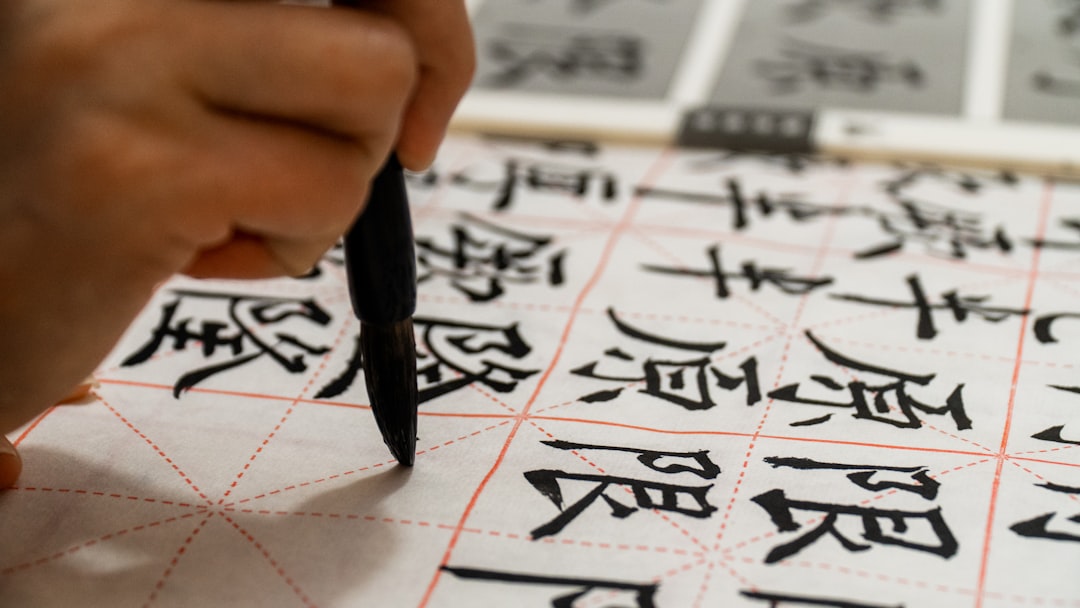
On 31 January 2026, test-takers around the world sat an exam that didn't exist three years ago: HSK 9, the highest level of China's newly overhauled Mandarin proficiency test. By July 2026, the old six-level system disappears entirely — replaced by nine levels, a vocabulary ceiling of 11,092 words, and a format that more closely reflects how Chinese is actually used today.
Whether you've never opened an HSK book or you're already certified at Level 6, the changes affect your study plan. Here's what actually changed — and what it means for you.
What Is the HSK?
The HSK (汉语水平考试, Hànyǔ Shuǐpíng Kǎoshì) is China's official standardised test for Mandarin Chinese proficiency. Run by the Chinese International Chinese Education Foundation (CIEF), it's the most widely recognised Chinese language certification in the world — accepted by universities, employers, and immigration authorities in dozens of countries.
If you're learning Chinese with a concrete goal — a university application, a job in China, a study abroad programme — the HSK is almost certainly part of your roadmap. It gives you a measurable, internationally recognised benchmark for your progress at every stage of the journey.
The previous version had six levels. HSK 3.0 replaces that entirely.
What Changed in HSK 3.0?
The most visible change is the expansion from six levels to nine, now mapped against the CEFR framework used for European language assessments (A1 through C2). Here's the full vocabulary breakdown across the new structure:
- HSK 1 — 300 words (A1)
- HSK 2 — 600 words (A2)
- HSK 3 — 1,000 words (B1, up from 600 in the old system)
- HSK 4 — 1,500 words (B1–B2)
- HSK 5 — 2,500 words (B2)
- HSK 6 — 5,000 words (C1, up from 2,500)
- HSK 7–9 — up to 11,092 words (C2 — brand new)
The biggest structural addition is the HSK 7–9 band. Previously, the highest level (HSK 6) left a visible gap between certified Mandarin proficiency and what Chinese universities and professional environments actually demand. These three new levels are designed to close it. HSK 9 expects mastery of over 11,000 words — more than double the old ceiling — covering the full register of written academic Chinese, formal spoken Mandarin, and complex translation work.
The format has also changed at each level. Clearer splits between reading, listening, writing, and speaking now define what's tested. The exam is increasingly delivered online, with digital character input replacing some traditional paper-based components at lower levels.
Modern Vocabulary, Finally
One of the most practical improvements in HSK 3.0 is the vocabulary refresh. The new word lists include terms that reflect how Mandarin is actually spoken and read today — not the formal written Chinese of a decade ago:
- 扫码 (sǎo mǎ) — scan a QR code
- 网购 (wǎng gòu) — online shopping
- 点赞 (diǎn zàn) — to "like" on social media
- 直播 (zhí bō) — live streaming
- 外卖 (wài mài) — food delivery
These weren't in the old HSK lists at all, or were buried at advanced levels. Now they appear much earlier — because any learner visiting China or consuming Chinese content will encounter them on day one.
The new lists also better reflect spoken register over formal written vocabulary. Words that come up constantly in real conversation have been prioritised over terms that appeared historically simply because they featured in classical texts. For learners focused on practical communication, that's a meaningful shift.
What the Exam Tests — and When
The changes to what's assessed at each level are as significant as the vocabulary expansion. For beginners, some welcome news: levels 1–4 no longer require handwriting. Character recognition is enough at these stages, which removes one of the biggest early barriers for learners who grew up typing rather than writing by hand.
From level 5 upwards, though, requirements grow substantially:
- Level 3 — a mandatory speaking component begins
- Level 4 — translation skills (Chinese ↔ your native language) are formally assessed
- Levels 5–6 — handwriting required; extended reading passages introduced
- Levels 7–9 — sustained writing tasks, academic-register reading, and complex bidirectional translation
The speaking requirement at level 3 is a meaningful change. Previous versions of the exam could be passed largely through reading and listening alone. The new format demands productive language ability — you have to generate Mandarin, not just recognise it. That requires a different kind of preparation, and it should change how you practise from the early stages.
What This Means for Your Study Plan
The clearest takeaway: the goalposts have moved, but in a useful direction. Here's how to think about it depending on where you are.
If you hold an old HSK certificate: your results are still valid. Both old and new certificates are recognised during the transition period, and international institutions have been informed. If you passed HSK 4, 5, or 6 under the previous system, that certification stands. If you're planning to sit an exam after July 2026, you'll be registering for HSK 3.0 — so it's worth reviewing the new format and vocabulary list for your target level now.
If you're currently studying at HSK 1–4: your vocabulary work carries over. Much of the old list was retained, with modern terms added on top. The main practical change is the earlier introduction of spoken components — so building pronunciation habits into your daily routine matters more than it did before.
If you're aiming at advanced levels: the HSK 7–9 tier is a serious undertaking. The 11,092-word vocabulary covers the full range of academic, professional, and formal Mandarin — words that rarely appear in standard textbooks but are everywhere in Chinese universities and workplaces. Starting to build that vocabulary systematically is the highest-leverage thing you can do now.
A focused review of the new word list at your target level is the practical first step. Many entries will be familiar; the ones that aren't are exactly where your study time should go. You can browse the full vocabulary with pinyin and definitions in MandoBridge's HSK 1 word list — a useful reference as you map your preparation to the new structure. The full vocabulary from HSK 1 through 9 is covered, so wherever you are, you can pick up from there.